
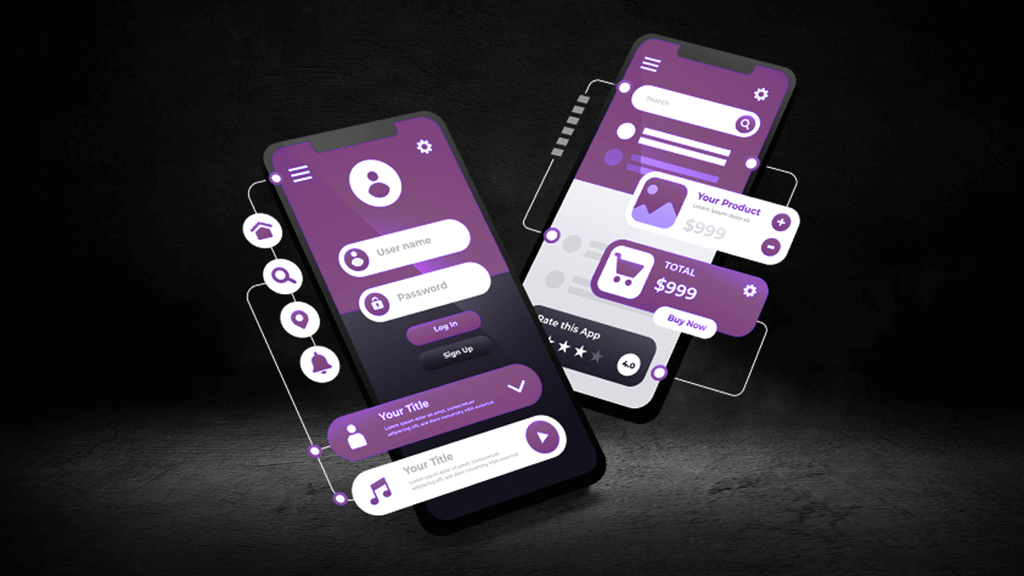
The digital landscape is dominated by mobile, with apps becoming indispensable tools for communication, entertainment, productivity, and commerce. If you’re envisioning a groundbreaking app to disrupt your industry or simply address a personal need, you’re not alone. However, turning that vision into a successful app requires more than just a brilliant idea. It demands meticulous planning, strategic execution, and a deep understanding of developing a mobile app ecosystem. Before diving headfirst into coding and design, consider these five crucial aspects that will significantly impact your app’s journey.
-
Define Your App’s Purpose and Target Audience: The Foundation of Success
The first and most critical step is to solidify your app’s purpose. What problem are you solving? What value are you offering to users? Is it a productivity tool, a social platform, an e-commerce solution, or something entirely unique? Clarity on your app’s core function will guide every subsequent decision, from feature selection to marketing strategy.
Equally important is defining your target audience. Who are you building this app for? Understanding their demographics, psychographics, and pain points is essential for creating an app that resonates with them. This involves conducting thorough market research, analyzing competitor apps, and even creating user personas.
- Market Research: Analyze existing apps in your niche. Identify their strengths, weaknesses, and user reviews. This will help you understand market gaps and opportunities for differentiation.
- User Personas: Create fictional representations of your ideal users, outlining their demographics, needs, behaviors, and motivations. This will help you empathize with your target audience and tailor your app accordingly.
- Value Proposition: Clearly articulate the unique value your app offers. Why should users choose your app over existing alternatives? A compelling value proposition is crucial for attracting and retaining users.
Without a well-defined purpose and a deep understanding of your target audience, your app risks becoming lost in the vast sea of mobile applications. This initial stage is the bedrock upon which your entire app development process rests.
-
Choose the Right Platform and Development Approach: Native, Hybrid, or Cross-Platform?
The platform you choose for your app—iOS, Android, or both—will significantly impact your development process and budget. Each platform has its own unique characteristics, user base, and development tools.
- Native Development: This approach involves building separate apps for each platform using platform-specific programming languages (Swift/Objective-C for iOS, Java/Kotlin for Android). Native apps offer superior performance, access to device hardware, and a seamless user experience. However, they are generally more expensive and time-consuming to develop.
- Hybrid Development: Hybrid apps are built using web technologies (HTML, CSS, JavaScript) and wrapped in a native container. They offer a single codebase for multiple platforms, reducing development costs and time. However, they may compromise on performance and user experience compared to native apps.
- Cross-Platform Development: Frameworks like React Native, Flutter, and Xamarin allow developers to write code once and deploy it on multiple platforms. This approach offers a balance between development efficiency and performance.
Choosing the right development approach depends on your specific needs, budget, and timeline. Consider factors such as performance requirements, feature complexity, and target audience preferences.
-
Prioritize User Experience (UX) and User Interface (UI) Design: Creating an Intuitive and Engaging App
In the competitive app market, user experience (UX) and user interface (UI) design are paramount. Users expect intuitive navigation, seamless functionality, and visually appealing aesthetics. A well-designed app can significantly enhance user engagement and retention.
- User-Centered Design: Focus on understanding user needs and behaviors throughout the design process. Conduct user research, create wireframes and prototypes, and iterate based on user feedback.
- Intuitive Navigation: Ensure that users can easily navigate through your app and find the information or features they need. Simplify complex workflows and provide clear visual cues.
- Visually Appealing Aesthetics: Create a visually consistent and engaging design that aligns with your brand identity and target audience preferences. Pay attention to typography, color palettes, and imagery.
- Accessibility: Design your app with accessibility in mind, ensuring that it is usable by people with disabilities. Follow accessibility guidelines and conduct accessibility testing.
Investing in professional UX/UI design can significantly improve your app’s usability, engagement, and overall success. A poorly designed app can lead to frustration, abandonment, and negative reviews.
-
Plan for App Testing and Quality Assurance: Ensuring a Bug-Free Experience
Thorough testing is crucial for identifying and resolving bugs, ensuring compatibility across devices, and delivering a high-quality app. A comprehensive testing strategy should include various types of testing, such as:
- Functional Testing: Verifying that all app features function as intended.
- Usability Testing: Evaluating the app’s ease of use and user experience.
- Performance Testing: Assessing the app’s speed, responsiveness, and resource consumption.
- Compatibility Testing: Ensuring that the app works seamlessly on different devices and operating system versions.
- Security Testing: Identifying and mitigating security vulnerabilities.
Consider using automated testing tools and engaging beta testers to gather feedback and identify potential issues before launch. A well-tested app can significantly improve user satisfaction and reduce negative reviews.
Related: Which App Has Clone Tool?
-
Develop a Comprehensive Marketing and Launch Strategy: Reaching Your Target Audience

Even the most innovative app will fail if it doesn’t reach its target audience. A comprehensive marketing and launch strategy is essential for driving downloads, generating awareness, and building a loyal user base.
- App Store Optimization (ASO): Optimize your app’s listing in app stores to improve its visibility and search ranking. This includes using relevant keywords, writing a compelling app description, and creating attractive screenshots and videos.
- Social Media Marketing: Leverage social media platforms to engage with your target audience, promote your app, and build a community.
- Content Marketing: Create valuable content, such as blog posts, videos, and infographics, to attract and educate your target audience.
- Public Relations: Reach out to journalists and bloggers to generate media coverage and build awareness.
- Paid Advertising: Consider using paid advertising campaigns to reach a wider audience and drive downloads.
- Influencer Marketing: Partner with influencers to promote your app to their followers.
A well-executed marketing and launch strategy can significantly impact your app’s success. Track your app’s performance metrics and adjust your strategy accordingly.
Related: Can an anonymous app be traced?
Developing a Mobile App (FAQs)
- How much does it cost to develop a mobile app?
- The cost of app development varies significantly depending on factors such as platform, features, complexity, and development approach. A simple app can cost a few thousand dollars, while a complex app can cost hundreds of thousands of dollars.
- How long does it take to develop a mobile app?
- The development timeline also varies depending on the app’s complexity. A simple app can take a few weeks to develop, while a complex app can take several months.
- What programming languages are used for mobile app development?
- iOS apps are typically developed using Swift or Objective-C, while Android apps are developed using Java or Kotlin. Cross-platform frameworks like React Native and Flutter use JavaScript and Dart, respectively.
- How do I monetize my mobile app?
- Common monetization strategies include in-app purchases, subscriptions, advertising, and paid downloads.
- How do I get my app listed in app stores?
- You will need to create developer accounts on the Apple App Store and Google Play Store and follow their guidelines for app submission.
Conclusion
Developing a mobile app requires a blend of creativity, technical expertise, and strategic planning. By carefully considering these five crucial aspects—defining your app’s purpose, choosing the right platform, prioritizing UX/UI design, planning for testing, and developing a comprehensive marketing strategy—you can significantly increase your chances of success in the competitive app market. Remember to stay adaptable, iterate based on user feedback, and continuously strive to improve your app. The mobile app landscape is constantly evolving, and staying informed is key to long-term success.