
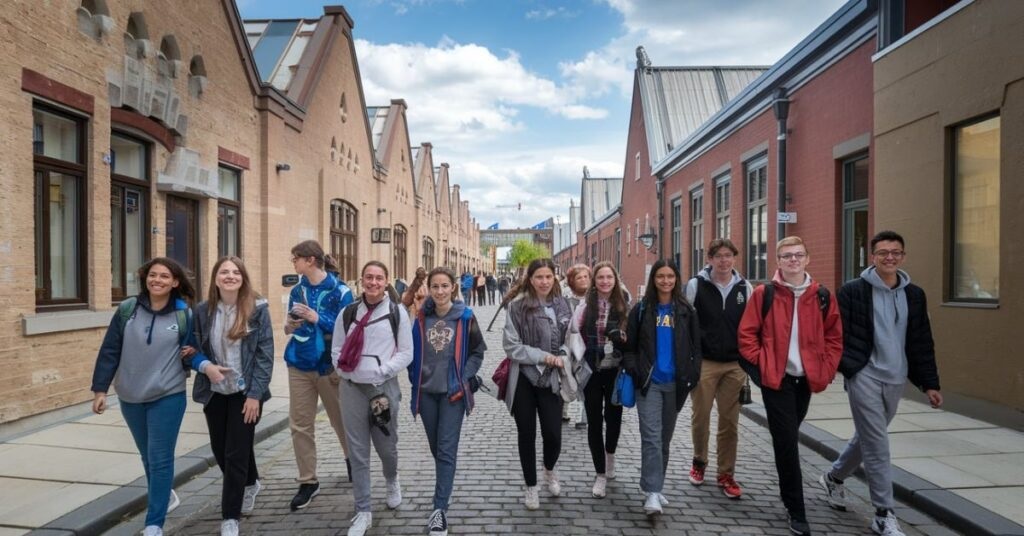
When we think about field trips, the idea of escaping the classroom to explore new environments often comes to mind. But have you ever wondered how much more impactful these trips can be when they’re carefully planned educational tours? Class Act educational tours are a perfect blend of fun and learning, allowing students to gain firsthand experience and insight into subjects they usually study in textbooks. But how exactly do these tours benefit students? Let’s break it down.
Expanding Learning Beyond the Classroom
Classroom learning is valuable, but it’s often limited by time, resources, and the confines of the school walls. This is where Class Act educational tours come into play. These tours offer students the chance to experience learning in real-world environments, which helps deepen their understanding of subjects.
For example, history lessons taught in a classroom can be abstract. A textbook might describe the architecture of ancient civilizations but imagine visiting the actual sites like Rome’s Colosseum or Egypt’s pyramids. Suddenly, the information in the textbook becomes tangible, helping students to visualize and better comprehend what they’ve been studying.
A study by the University of Arkansas showed that students who attended educational trips to museums showed improved critical thinking skills by up to 9%. Additionally, exposure to these cultural institutions increased students’ historical empathy, meaning they understood historical events in a more nuanced, personal way. This goes to show that a hands-on experience is a powerful tool for retention and deeper learning.
Boosting Social Skills and Teamwork
School trips are about more than just learning facts—they also encourage students to interact with each other and work together. Class Act educational tours are often organized for groups, meaning students must cooperate, communicate, and problem-solve during their trip.
Imagine being on a trip to Washington, D.C., where students have to navigate through museums and monuments. They need to share information, find the best routes, and keep track of time—all of which require teamwork. These experiences teach students how to collaborate with their peers, an essential skill for their future academic and professional lives.
Educational trips can also help build friendships and improve social interaction. When students are in new settings, they may bond with classmates they wouldn’t normally interact with. This can help reduce social barriers, fostering an inclusive school environment where every student feels a sense of belonging.
Sparking a Love for Lifelong Learning
For many students, learning can sometimes feel like a chore. But when they see the relevance of what they’re studying through real-world applications, it can ignite a passion for learning that lasts beyond the classroom.
Class Act educational tours often incorporate hands-on experiences that engage students in ways traditional methods cannot. For example, during a science tour to a national park, students might observe ecosystems and biodiversity firsthand. Being able to see, touch, and even smell the natural world can trigger excitement about topics like biology, ecology, and conservation.
In fact, research has shown that experiential learning—learning by doing—can significantly increase student engagement and retention. According to a report by the Learning Policy Institute, students who participated in hands-on learning were up to 28% more likely to stay engaged in school subjects. This makes educational tours a key tool in cultivating curiosity and a love for learning.
Building Confidence and Independence
One of the less obvious but equally important benefits of Class Act educational tours is how they encourage students to become more independent. Being away from the structured environment of school and home allows students to navigate new spaces on their own (with supervision, of course), helping them develop self-confidence and decision-making skills.
For instance, during a tour in a city, students might have to decide which landmarks they want to visit first, what to prioritize, and how to handle unexpected challenges like weather or schedule changes. These experiences can teach students to trust their own judgment and manage their time effectively.
Moreover, when students successfully navigate unfamiliar situations, their sense of self-reliance grows. They begin to realize that they can handle the challenges that come with stepping outside their comfort zones—a valuable life skill that will serve them well in both their academic journey and personal growth.
Bringing History, Art, and Culture to Life
History, art, and culture come alive when students experience them in person. Class Act educational tours provide the opportunity to visit historical landmarks, museums, and cultural centers, helping students gain a deeper understanding of these subjects.
Take, for example, a visit to the Louvre Museum in Paris. Students can see the Mona Lisa in person, learn about different art movements, and explore the cultural significance of the pieces housed there. This hands-on exposure is far more engaging than simply seeing pictures of the artwork in a textbook.
Not only do these tours bring history and art to life, but they also broaden students’ worldviews. Exposure to different cultures fosters empathy and a better understanding of global perspectives. A study published in The Journal of Educational Psychology found that students who participated in cultural tours were more likely to develop tolerance and respect for other cultures, which is an essential skill in our increasingly interconnected world.
Explore Bleachexile blog to learn more about how these enriching experiences shape students’ perspectives on art, culture, and history.
Related: The importance of technology in the classroom
Promoting Physical Activity and Well-Being
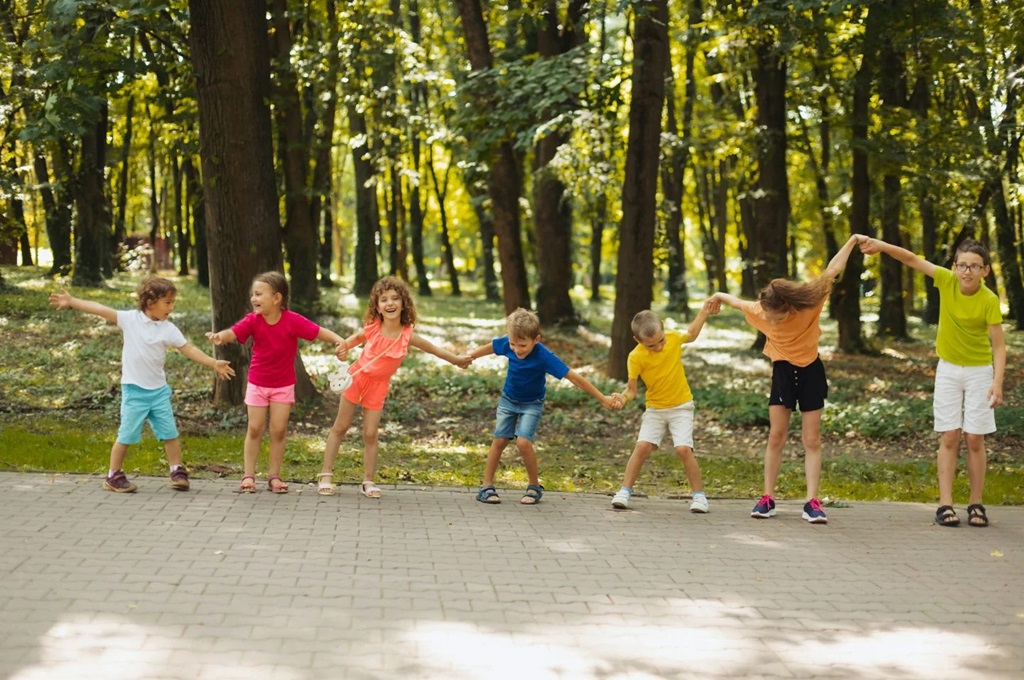
Class Act educational tours aren’t just mentally stimulating—they often involve plenty of physical activity as well. Whether it’s walking through a historic city, hiking in a national park, or exploring a science center, these tours encourage students to stay active.
In an age where screen time dominates much of a student’s life, physical movement can be a welcome change. Research shows that increased physical activity improves cognitive function and academic performance. A study from the CDC indicates that students who are physically active tend to have better grades, school attendance, and classroom behaviors. By combining learning with physical activity, educational tours offer a holistic approach to student development.
Encouraging Critical Thinking and Problem-Solving
When students are exposed to new environments, they are often required to think on their feet. Class Act educational tours challenge students to make sense of the world around them, ask questions, and solve problems. Whether it’s interpreting a piece of art, understanding the significance of a historical monument, or solving a real-world science problem, these tours push students to think critically.
During a science-focused educational tour, for example, students might be asked to analyze environmental data, predict outcomes, and suggest solutions to real-world problems. This kind of learning develops problem-solving skills, which are essential for success in future academic pursuits and careers.
Midway through the article, it’s important to highlight that while students are developing these critical thinking skills, they are also actively engaging with their environment, learning how to adapt and solve problems in real-time. This ability to think critically and adapt is crucial in today’s fast-paced, ever-changing world. As they explore different aspects of learning, from science to history, students are able to deepen their understanding through practical applications.
Fpe Plot: Connecting Dots in Learning
An interesting part of Class Act educational tours is how they allow students to connect the dots between different subjects. For instance, while on a tour of a historical site, students may not only learn about history but also geography, politics, and even economics. This cross-disciplinary approach makes learning more holistic and interconnected, providing a richer understanding of the FPE plot.
Take a field trip to Mount Vernon, George Washington’s estate, as an example. A student might begin by learning about Washington’s life and leadership, but through exploring the estate, they also learn about agriculture, the economy of the time, and even architecture. This kind of learning is much more engaging and memorable than isolated lessons on each subject.
By experiencing multiple subjects in one tour, students begin to understand how interconnected our world is—a vital realization in today’s complex, interdisciplinary world.
Conclusion
Class Act educational tours offer a treasure trove of benefits for students. From expanding their knowledge beyond the classroom to fostering social skills, sparking a love for learning, and encouraging independence, these trips are essential in shaping well-rounded individuals. More than just a break from routine, these tours create lifelong learners who are curious, empathetic, and ready to tackle real-world challenges.
If you want your child or students to grow in confidence, develop critical thinking skills, and experience a world of learning beyond textbooks, Class Act educational tours are the way to go. With hands-on experiences, new environments, and interdisciplinary learning, these tours help students connect with subjects in ways that are far more engaging than traditional learning methods.