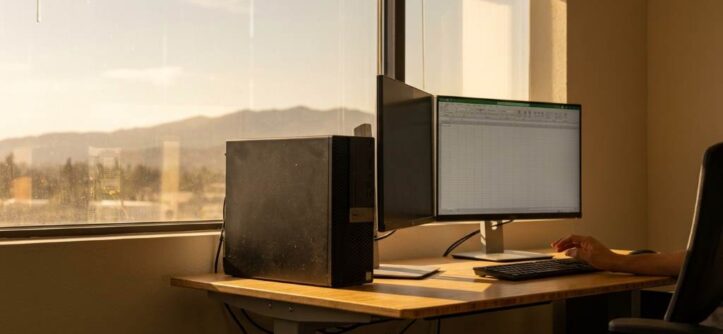
Modern professionals expect reliable computers because daily work depends on fast performance and stable productivity. Recent studies show employees lose several hours weekly because of slow devices and unnecessary delays. Therefore, understanding latest intel core i7 features helps users compare hardware capabilities before upgrading. This guide explains common workstation problems and practical solutions for maintaining excellent performance.
Common Reasons Your Workstation Loses Speed
Many workstations gradually become slower because daily usage increases software demands over time. Additionally, background applications silently consume memory, processor resources, and storage performance without obvious warning signs.
Outdated drivers also reduce system efficiency because hardware cannot communicate effectively with the operating system. Likewise, security software, startup applications, and temporary files often create unnecessary resource competition.
Many professionals experience software confusion while handling multiple online tools throughout busy workdays. Reading guides about Snapchat screenshot notifications highlights how understanding application behavior reduces unnecessary troubleshooting distractions.
Hardware Components Matter
Your processor manages thousands of calculations every second during demanding office workloads. Consequently, an older processor struggles when several heavy applications remain open simultaneously.
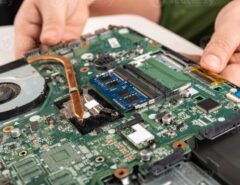
Memory capacity also determines how smoothly programs operate during multitasking sessions. Furthermore, limited RAM forces the computer to access slower storage instead of faster memory.
- Older processors require more time for demanding workloads.
- Insufficient RAM reduces multitasking performance.
- Traditional hard drives load files slower than modern solid state drives.
- Failing storage devices create delays and unexpected freezes.
Software Problems That Reduce Performance
Software issues often develop quietly because users rarely monitor background activity carefully. However, every unnecessary application increases processor usage and memory consumption throughout the day.
Automatic updates occasionally run during productive hours and temporarily slow important tasks. Therefore, scheduling updates outside working hours helps maintain smoother daily performance.
Some hardware features require compatible software before delivering expected results across different platforms. Learning whether adaptive triggers work improves compatibility awareness while reducing unnecessary troubleshooting efforts.
Too Many Startup Programs
Several applications automatically launch after every restart without requesting user permission. As a result, startup time increases while available system resources decrease immediately.
Review startup applications regularly because many programs remain unnecessary for daily productivity. Instead, enable automatic launching only for essential business software and security tools.
Environmental Factors Affect Computer Performance
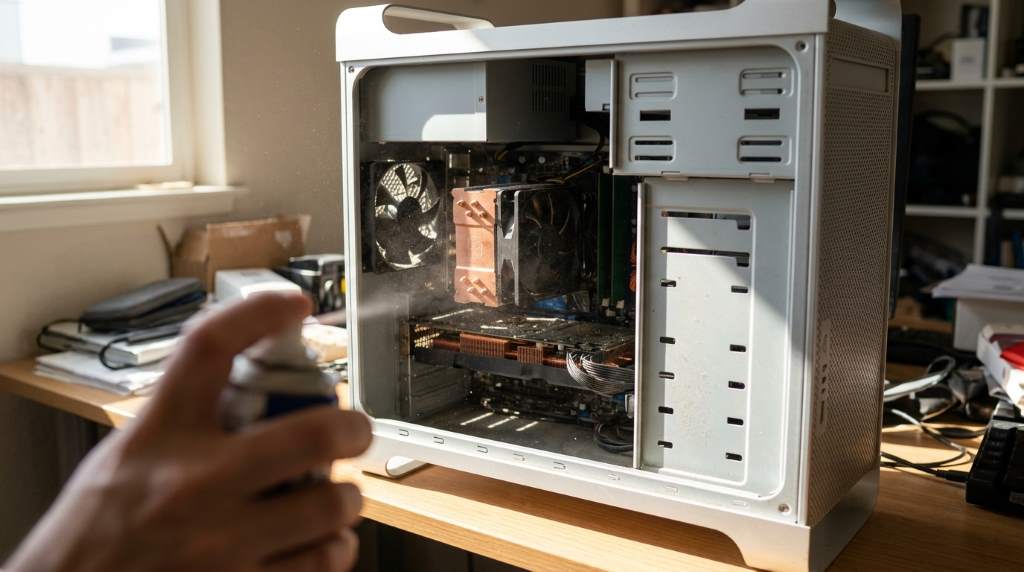
Dust gradually blocks airflow and traps heat inside your workstation throughout continuous operation. Consequently, higher temperatures force processors to reduce operating speeds for protection.
Poor ventilation also affects graphics cards, storage drives, and power supplies during demanding workloads. Therefore, placing the workstation inside an open area improves cooling efficiency significantly.
Routine maintenance protects valuable hardware while extending the computer’s useful lifespan considerably. Following guidance about clean and maintain your PC encourages better long term performance habits.
Internet and Network Challenges
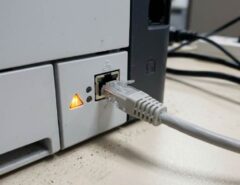
Many users mistake slow internet connections for poor workstation performance during online activities. However, unstable networks delay cloud applications, file transfers, and video meetings significantly.
Testing internet speed regularly helps identify whether connectivity or hardware causes productivity problems. Likewise, updating networking equipment improves communication between connected devices consistently.
Practical Ways to Restore Workstation Speed
Regular maintenance keeps computers responsive without requiring expensive hardware replacements immediately. Moreover, small improvements often produce noticeable performance gains during everyday business activities.
Create a monthly maintenance schedule because consistent care prevents small problems from becoming major failures. Besides that, monitoring system performance helps detect unusual behavior before productivity suffers.
Essential Performance Improvements
- Restart your workstation regularly.
- Delete temporary files every month.
- Remove unused software completely.
- Keep operating systems updated.
- Install trusted security software.
- Replace failing storage devices promptly.
- Upgrade memory when multitasking becomes difficult.
- Maintain proper airflow around the workstation.
When Hardware Upgrades Become Necessary
Eventually, every workstation reaches hardware limitations despite careful maintenance and regular optimization. Therefore, strategic upgrades often provide better value than replacing an entire computer immediately.
Installing additional memory usually delivers faster multitasking with minimal installation effort. Similarly, replacing older storage with faster technology significantly improves loading times and overall responsiveness.
Upgrade Priorities
Start with storage improvements because they usually produce immediate performance benefits during everyday workloads. Afterward, increase memory capacity if heavy multitasking continues causing noticeable slowdowns.
Consider processor upgrades only after evaluating workload requirements and motherboard compatibility carefully. Consequently, planned upgrades reduce unnecessary spending while maximizing long term productivity.
How Businesses Can Prevent Slow Workstations
Organizations benefit from proactive maintenance because reliable computers support consistent employee productivity every working day. Additionally, preventive strategies reduce emergency repairs and unexpected business interruptions.
IT teams should monitor workstation health regularly instead of waiting for serious failures. Consequently, early detection minimizes downtime while protecting important business operations.
Best Workplace Practices
- Schedule monthly maintenance inspections.
- Train employees about safe computing habits.
- Replace outdated hardware before failure.
- Back up important files regularly.
- Monitor system temperatures consistently.
- Keep software licenses updated.
Conclusion
Understanding why your workstation slows down helps you solve problems before productivity declines significantly. Regular maintenance, smart upgrades, and careful software management create lasting performance improvements. Start applying these recommendations today to keep your workstation reliable, responsive, and ready for every demanding task.
FAQs
Why does my workstation become slower over time?
Software growth, aging hardware, and accumulated temporary files gradually reduce overall performance.
How often should I clean my workstation?
Cleaning every three to six months helps maintain proper airflow and reliable cooling.
Does adding more RAM improve speed?
Yes, additional memory improves multitasking when your current RAM frequently reaches capacity.
Can overheating damage workstation performance?
Yes, excessive heat forces processors to reduce speed for safe operation.
Should I upgrade or replace my workstation?
Upgrade individual components first unless the hardware no longer supports your workload efficiently.