
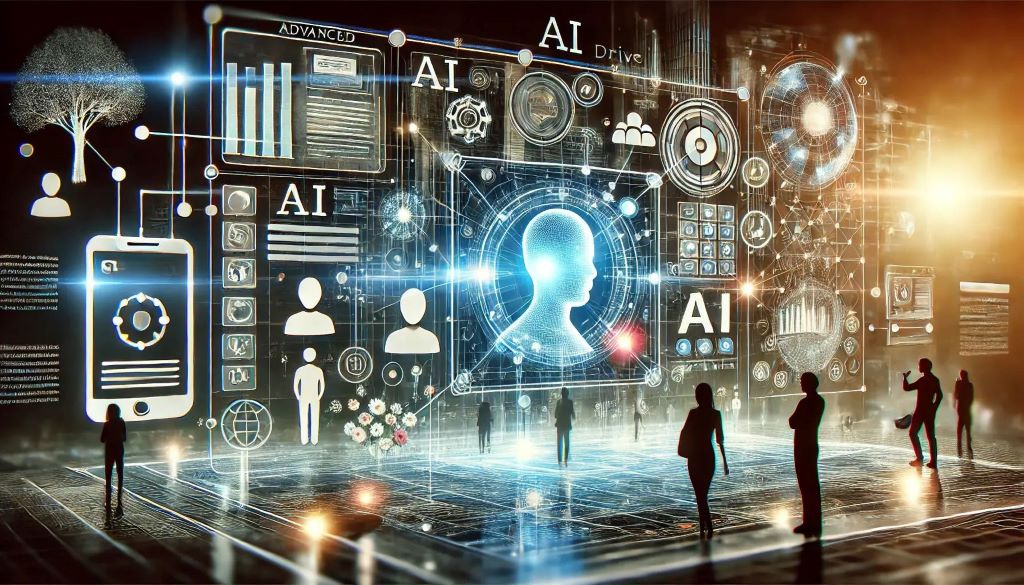
In the fast-evolving digital landscape, the fusion of Artificial Intelligence (AI) and web design is no longer a futuristic concept but a present-day reality reshaping how websites are created, managed, and experienced. As businesses and individuals strive to capture attention in an overcrowded online space, leveraging AI technologies in web design is becoming essential to offer personalized, visually stunning, and highly functional sites. But what exactly does the future hold for AI in web design? And how will it change the way designers work and users interact with the web? Artificial Intelligence and the Future of Web Design explores these transformative shifts, offering insights into how AI-driven tools are revolutionizing design processes, enhancing user experiences, and redefining creativity in the digital age.
In this comprehensive article, we will explore the dynamic role of AI in web design, uncover emerging trends, discuss the benefits and challenges, and provide practical insight into how AI tools can enhance creative workflows and website performance. Whether you are a web designer, developer, business owner, or simply intrigued by technology, this guide will deliver valuable information to help you embrace the AI-driven future of web development.
The Rise of Artificial Intelligence in Web Design
Artificial Intelligence refers to computer systems designed to mimic human intelligence processes such as learning, reasoning, and problem-solving. When applied to web design, AI can automate mundane tasks, generate code, optimize user experience (UX), and even create personalized layouts.
How AI is Redefining Web Design
Traditionally, web design involved manual coding, graphic design, and frequent revisions to align with branding and user expectations. AI disrupts this by introducing intelligent automation and data-driven insights that streamline the entire process:
- AI-Powered Website Builders: Tools like Wix ADI (Artificial Design Intelligence) and Bookmark simplify site creation by generating custom websites based on user answers to basic questions, saving time and reducing the barrier for non-designers.
- Personalization Engines: AI analyzes user behavior and preferences to tailor content, layout, and recommendations in real-time, increasing engagement and conversion rates.
- Design Assistance: AI-based platforms suggest optimal color schemes, fonts, and layout structures based on brand identity and audience psychology.
- Content Creation: Automated writing and image generation tools help populate websites with high-quality content, relieving designers from repetitive tasks.
- Automated Testing and Optimization: AI algorithms perform A/B testing, user interaction tracking, and heatmap analysis to refine website elements continually.
Key AI Technologies Shaping the Future of Web Design
-
Machine Learning for User Behavior Analysis
Machine learning models process vast amounts of user data to predict behaviors and preferences. By understanding how visitors interact with a website, designers can optimize navigation, content placement, and calls to action to improve user experience.
-
Natural Language Processing (NLP)
NLP enables AI to comprehend and generate human language, which enhances chatbots, voice assistants, and content personalization. Websites equipped with AI-driven chatbots offer instant, context-aware support, improving customer satisfaction.
-
Generative Design and Creative AI
Generative AI models can create unique design elements such as images, logos, and even entire webpage layouts autonomously. Tools like DALL-E and Midjourney illustrate how AI can augment creative processes by providing novel visual content.
-
Computer Vision
Computer vision algorithms analyze images and videos to enhance accessibility (e.g., alt text generation), automate tagging, and detect visual design inconsistencies, ensuring a seamless and inclusive user experience.
Benefits of Integrating AI into Web Design
Enhanced Efficiency and Speed
AI accelerates the design process by automating repetitive tasks like coding, resizing images, and testing multiple design variants, freeing designers to focus on strategic and creative aspects.
Improved User Experience
Through data-driven personalization and adaptive interfaces, AI delivers a tailored browsing experience that meets individual user needs, boosting satisfaction and engagement.
Cost Savings
Automating web design tasks reduces the need for extensive manual labor and lengthy project timelines, making professional web design accessible to smaller businesses and startups.
Data-Driven Decision Making
AI analytics provide actionable insights into user behavior, enabling continuous optimization and more informed design choices aligned with business goals.

Challenges and Ethical Considerations
While AI offers remarkable advantages, there are important concerns web designers and businesses must address:
- Loss of Human Creativity: Over-reliance on AI-generated designs may result in lack of originality and emotional connection.
- Bias and Fairness: AI systems trained on biased data could perpetuate stereotypes or exclude certain user groups.
- Privacy Issues: Collecting and analyzing user data to personalize experiences must comply with regulations like GDPR to protect user privacy.
- Job Displacement Anxiety: Designers may worry about being replaced by AI; however, AI is better viewed as a tool that augments their skills rather than replaces them.
Practical Applications: AI Tools Every Web Designer Should Know
AI Website Builders
Platforms such as Wix ADI and Zyro use AI to create customizable templates and content suggestions that fit user needs with minimal input.
Design Tools with AI Features
Adobe Sensei integrates AI into Photoshop and Illustrator to assist with image editing, layout adjustments, noise reduction, and font matching.
Automated SEO Optimization
Tools like MarketMuse and SurferSEO utilize AI to analyze site content and competition, recommending keywords and structural improvements to boost search engine rankings.
Chatbots and Virtual Assistants
AI-powered customer service bots enhance engagement and conversion by providing instant support 24/7.
The Future Outlook: What’s Next in AI and Web Design?
The future promises even more sophisticated AI integrations in web design:
- Voice-Activated Web Interfaces: As voice search grows, websites will evolve to support voice commands and conversational navigation.
- Augmented Reality (AR) Designs: AI will drive AR experiences embedded in websites, allowing users to interact with products virtually.
- Hyper-Personalization: AI will build ultra-customized websites that dynamically adapt in real-time, providing unique experiences for every visitor.
- Collaborative Human-AI Design: Designers and AI systems will work symbiotically, combining creativity and computational power for innovative designs.
- Ethical AI Frameworks: Growing awareness will lead to ethical guidelines ensuring AI is used responsibly in web design.
SEO Tips: Optimizing AI-Driven Web Design for Search Engines
- Use Relevant Keywords Naturally: Incorporate primary and secondary keywords like “AI web design tools,” “future of website design,” and “AI UX personalization” without keyword stuffing.
- Optimize Website Speed: AI-generated sites should maintain fast loading times to enhance SEO ranking.
- Mobile Optimization: Ensure AI builds responsive designs that work well across devices.
- Schema Markup: Use structured data to help search engines understand your content better.
- Regular Content Updates: AI can assist in keeping content fresh, which search engines favor.
Frequently Asked Questions (FAQs)
Q1: Can AI completely replace human web designers?
>>>>>A1: No. AI serves as a powerful assistant, automating routine tasks and offering design suggestions but lacks the empathy and nuanced creativity humans bring to projects.
Q2: Are AI-designed websites SEO-friendly?
>>>>>A2: Yes, many AI tools incorporate SEO best practices like clean coding and keyword optimization, but final SEO success still depends on human oversight.
Q3: How secure is user data on AI-powered websites?
A3: Security depends on the platform and how data collection complies with legal regulations. Choose AI tools that prioritize user privacy and data protection.
Q4: Is AI web design suitable for all industries?
>>>>>A4: While highly versatile, some industries with complex branding may still prefer custom human-driven design, but AI can significantly benefit most sectors.
Conclusion: Embrace AI to Revolutionize Your Web Design Today
The integration of Artificial Intelligence into web design marks a profound shift toward more efficient, personalized, and innovative online experiences. By leveraging AI tools and techniques, businesses and designers can stay ahead in a competitive digital world. These tools enable the creation of websites that not only look stunning but also intelligently respond to user needs. As a result, user experiences become more seamless and engaging.
Read More:
CodeWP: Revolutionizing WordPress Development with AI
6 Game-Changing Tools to Elevate Your Digital Marketing Strategies


