

When summer heat creeps in, finding the right fan becomes a top priority. Should you go for a sleek tower fan or a classic pedestal fan? Both promise air circulation and a cool breeze, but they cater to different needs. This article dives deep into tower fan vs. pedestal fan, exploring their features, benefits, and quirks. By the end, you’ll know exactly which fan suits your space, lifestyle, and budget. Curious about what sets them apart? Let’s find out!
What Are Tower Fans and Pedestal Fans?
Fans come in all shapes and sizes, but tower fans and pedestal fans stand out for their popularity. A tower fan is a tall, slim device, often with a column-shaped fan blade or bladeless tower design. It’s built to save floor space while delivering ambient airflow. Pedestal fans, on the other hand, feature a circular fan head mounted on an adjustable height pole. They’re known for larger blades and powerful airflow, making them a go-to for bigger rooms.
Why does this matter? Each type offers unique perks. Tower fans blend into narrow spaces, making them ideal for tight corners where even a red light on Mobo from a nearby PC setup won’t clash with their sleek look. Meanwhile, pedestal fans shine in wide-open areas, delivering robust airflow where space isn’t a constraint. Let’s break it down further.
Design and Aesthetics: Style Meets Function
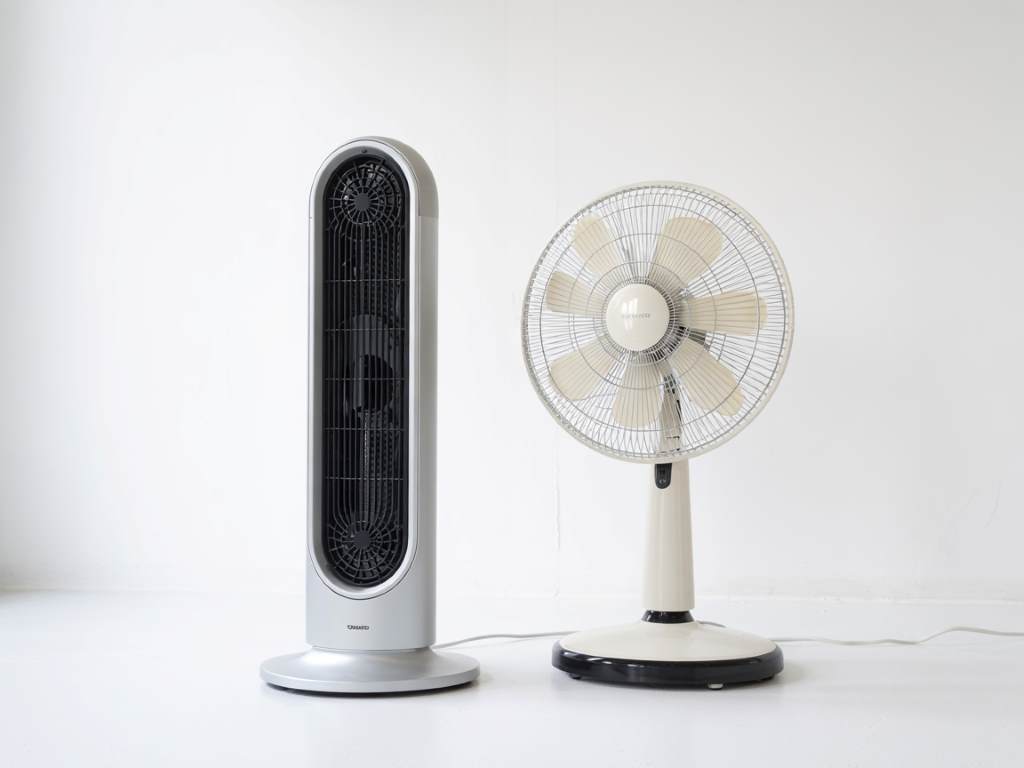
Imagine a fan that doubles as decor. Tower fans, like the Dreo PolyFan or Vornado Strata, often sport a retro design or attractive black-plastic finish. Their compact tower fans fit neatly beside a coffee table or on a bedside table. Meanwhile, pedestal fans, such as the Arctic Pedestal Fan, lean toward a more industrial look with a robust breeze output. Their adjustable height range adds versatility, but they’re not as subtle.
Which wins in style? It depends. A smart tower fan with haptic controls or touch controls feels modern, while a pedestal fan’s basic models scream practicality. For a bedroom setting, a sleek Oscillating Tower Fan might edge out a clunky pedestal. However, in commercial spaces, the latter’s bold presence fits right in.
Airflow Performance: Power vs. Precision
Airflow is where fans earn their keep. Tower fans excel at consistent breeze delivery across a room. Models like the Dreo Fox One boast airflow capabilities that rival pricier picks, thanks to a DC-powered motor. Their nuanced speed controls let you tweak wind speed from a whisper to a blast of wind. Pedestal fans, with their direct airflow, push a strong breeze—perfect for industrial settings or dry summer weather.
A 2022 study by Consumer Reports found that pedestal fans move 20% more air than tower fans on average, thanks to their larger blades. Yet, tower fans like the 5-Speed Tower Fan offer ambient motors for quieter, indirect breeze options. So, do you need a powerful air circulation beast or a subtle column of wind? Your space decides.
Noise Level: Quiet Operation or White Noise?
Fans can hum, buzz, or roar. Noise level matters, especially in a bedroom or ambient temperature environment. Tower fans, like the Alexa Tower Fan T48401, often feature sleep mode and quiet operation, hovering around normal conversation levels (50-60 decibels). The Dreo PolyFan Max, with its lowest speed setting, doubles as a white noise machine.
Pedestal fans? They’re louder. Their sound output can hit 70 decibels—think blustery wind on a stormy day. For some, this is a perk in commercial office spaces where background noise masks chatter, especially if you install power supply units nearby to keep them running smoothly. If silence is golden, tower fans take the crown. Otherwise, pedestal fans offer a cool breeze with a side of sound.
Smart Features: Voice Control and Beyond
Tech lovers, rejoice! Smart features are transforming fans. The Smart Tower Fan with Google Assistant or Google Home integration lets you adjust fan settings via voice control. Say, “Hey Google, set my fan to automatic mode,” and it’s done. The Vornado Strata even pairs with smart speakers for a seamless experience.
Pedestal fans lag here. A smart pedestal fan exists, but options are slim. Most stick to basic settings or control buttons. Tower fans, with app features and built-in smart controls, cater to the tech-savvy. Curious about haptic controls? The Dreo PolyFan offers touch controls for a futuristic vibe. Pedestal fans keep it old-school—sometimes that’s all you need.
Space and Portability: Where Will It Fit?
Space is a dealbreaker. Tower fans, like the Compact Oscillating Tower Circulator, thrive in narrow spaces or counter space setups. Their floor space footprint is minimal—ideal for apartments or a bedside table. The Black Whole-Room Tower Fan Vornado proves you don’t need much room for powerful airflow.
Pedestal fans demand more. Their wide range of motion and adjustable height suit larger rooms or commercial pedestal fan setups. Moving them? A cordless operation model helps, but they’re bulkier than a 9-inch-diameter Dreo Fox. For tight spots, tower fans win. For open areas, pedestal fans flex their muscle.
Control Methods: From Remote to Manual
How do you like to tweak your fan? Tower fans often come with a Remote Control Hampton Bay or built-in temperature sensors for an Auto Shut-Off Timer. The Dreo PolyFan Max offers power settings via an LCD screen—fancy, right? Pedestal fans stick to simpler control methods, like a fan head tilt or manual speed settings.
A 2023 survey by TechRadar showed 65% of users prefer remote control over manual adjustments. Tower fans cater to this with customizable speed settings and touch controls. Pedestal fans, with their array of power levels, keep it straightforward. Convenience or simplicity—your call!
Energy Savings: Watts of Energy and Cost
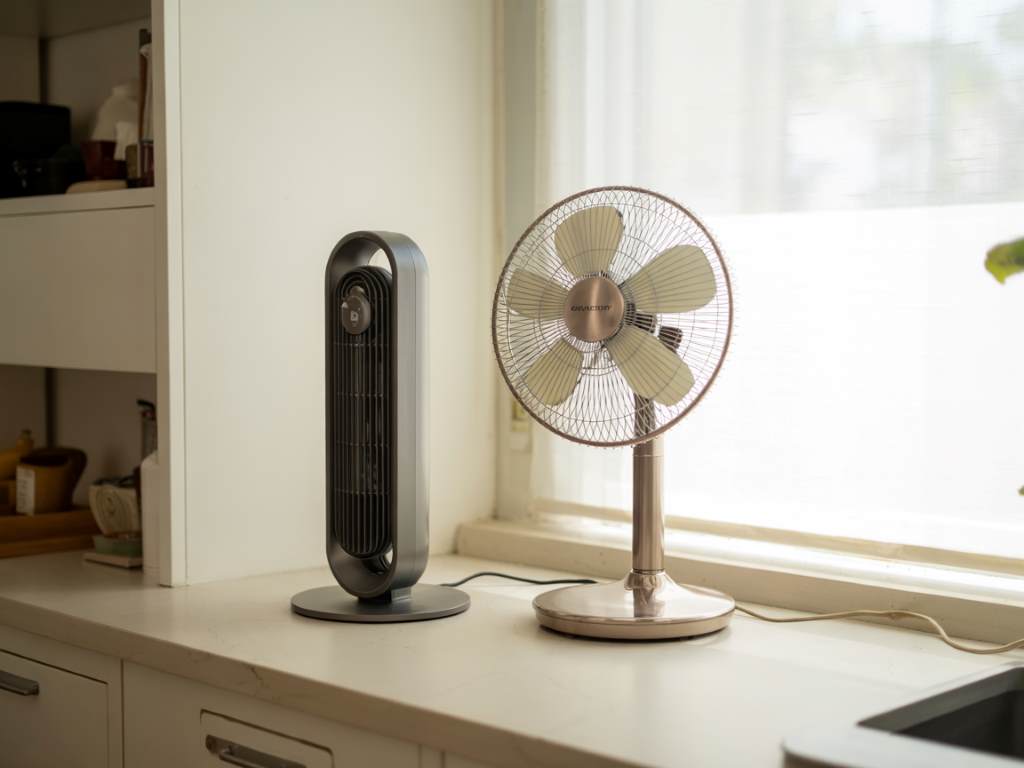
Fans can sip or gulp power. Tower fans, with watts of energy as low as 20-30, promise energy savings. The DC-powered motor in the Dreo Fox One cuts costs during the entire summer. Pedestal fans, averaging 50-70 watts, guzzle more—especially in industrial settings.
According to the U.S. Department of Energy, a fan running 8 hours daily at 50 watts costs about $15 annually. Compare that to a Ceramic Space Heater or Air Conditioner, and fans are budget picks. Tower fans edge out pedestal fans for efficiency, but both beat pricier cooling options.
Price Points: Affordable Options vs. Premium Picks
Budget matters. Tower fans range from cheaper options like the Dreo Fox One (around $50) to median price models like the Vornado Strata ($100+). Pedestal fans start low too, with the Arctic Pedestal Fan at $40, but commercial spaces demand pricier picks up to $150.
What’s the catch? Advanced models with additional features—like a Timer and quiet operation—bump the cost. Non-promo purchases might sting, but a popular option like the Dreo PolyFan offers value. For minimum purchase buyers, both types have affordable price tags.
Breeze Types: Cool Breeze or Robust Breeze?
Fans don’t just blow air—they shape it. Tower fans deliver waves of wind or a blanket of breeze, thanks to their oscillating tower fan design. The Alexa Tower Fan crafts an ambient airflow that’s gentle yet effective. Pedestal fans? Think burst of wind or robust breeze—ideal for a coffee table blast or outdoor patio.
Which feels better? A 2021 air quality study found oscillating fans spread air 30% wider than static ones. Tower fans lean into this, while pedestal fans focus on intensity. Your preference—soft or strong—guides the choice.
Specific Models to Consider
Ready to shop? Here’s a quick rundown:
- Dreo PolyFan: Smart features, retro design, and powerful air circulation.
- Vornado Strata: 18-inch-tall Strata with haptic controls and Google Home compatibility.
- Arctic Pedestal Fan: Affordable option with adjustable height and strong breeze.
- Dreo Fox One: Compact tower fans with a 9-inch-diameter and quiet operation.
Each shines in its lane. The Dreo PolyFan Max blends style and tech, while the Arctic Pedestal Fan keeps it simple and sturdy.
Benefits of Pedestal Fans: Why They Still Shine
Pedestal fans have loyal fans for a reason. Their benefits of pedestal design include a wide range of sizes and direct airflow. Need a fan for commercial office spaces? Their performance from models like the Arctic delivers. Plus, the adjustable height pole fits any setup.
They’re not perfect, though. The fan speed can get loud, and smart features are rare. Still, for comfort in summer or industrial settings, they’re hard to beat.
Tower Fans: The Modern Contender
Tower fans bring a fresh spin. The Bladeless Tower Fan trend—think Dreo’s bladeless tower—cuts noise and boosts safety. Their compact oscillating tower circulator design saves counter space, while power settings offer flexibility. Add Google Assistant, and you’ve got a winner.
Downsides? Less wind speed than pedestal fans. But for a bedroom setting or small apartment, they’re a dream.
Tower Fan vs. Pedestal Fan: Key Differences
Still torn? Here’s a head-to-head:
- Size: Tower fans fit narrow spaces; pedestal fans need room.
- Airflow: Pedestal fans push a blast of wind; tower fans spread ambient airflow.
- Noise: Tower fans whisper; pedestal fans hum.
- Tech: Tower fans boast voice control; pedestal fans keep it basic.
The differences between pedestal and tower fans boil down to your priorities—space, power, or tech.
Types of Fans: Beyond the Basics
Fans aren’t just tower or pedestal. Ceiling Fan options save floor space, while Air circulators like the Vornado Strata focus on whole-room cooling. Floor fans offer portability, and the Ceramic Space Heater doubles as a winter pick. Each has its niche, but tower and pedestal dominate for versatility.
Who Should Choose a Tower Fan?
Live in a tight spot? Love smart speakers? A tower fan fits. Its quiet operation and attractive design suit bedrooms or ambient temperature environments. Families with kids might prefer a bladeless tower for safety. If you crave nuanced speed controls, this is your match.
Who Should Pick a Pedestal Fan?
Got a big room or commercial space? Need a strong breeze fast? Pedestal fans deliver. Their adjustable height and circular fan head tackle hot spots with ease. Budget buyers or minimalists will appreciate their no-frills appeal.
Final Thoughts
Choosing between a tower fan and a pedestal fan isn’t rocket science—it’s about fit. Tower fans blend style, tech, and subtlety, while pedestal fans bring raw power and simplicity. Think about your space, noise tolerance, and budget. Still curious? Test a popular option like the Dreo PolyFan or Vornado Strata.
What’s your take? Drop a comment below, share this with a friend sweating their options, or explore more cooling tips on our site. Stay cool out there!
FAQs
1. Which fan is quieter: tower or pedestal?
Tower fans, like the Dreo Fox One, typically offer quieter operation, often with sleep mode. Pedestal fans tend to be louder due to larger blades.
2. Can a tower fan cool a large room?
Yes, but pedestal fans are better for powerful airflow in big spaces. Tower fans excel in smaller, narrow areas.
3. Are smart features worth it in a fan?
If you love voice control or app features, yes! Smart tower fans like the Alexa Tower Fan add convenience.
4. How much energy do these fans use?
Tower fans use 20-30 watts, while pedestal fans average 50-70 watts. Both save more than an Air Conditioner.
5. Which fan is best for a budget?
Affordable options like the Dreo Fox One (tower) or Arctic Pedestal Fan keep costs low without skimping on basics.